
Business Activity Analysis Training
Learn to spot trends, interpret data patterns, and make informed decisions. Our program runs from September 2025 through March 2026, giving you practical experience with real business scenarios from Australian markets.
Request Program InformationWhat You'll Actually Learn
This isn't about memorizing formulas. We focus on practical skills you can use immediately—reading financial statements, spotting market patterns, understanding what numbers actually mean for business decisions.
Most participants come from small business backgrounds or transition careers. Some have accounting experience, others don't. What matters is your willingness to dig into data and ask good questions.
- Reading quarterly reports and finding meaningful insights
- Comparing industry benchmarks across different sectors
- Identifying seasonal patterns and market shifts
- Building simple models for revenue forecasting
- Understanding cash flow vs profitability
- Presenting findings to non-technical stakeholders

Six Modules Over Six Months
Each module builds on previous work. You'll spend two weeks on concepts, then two weeks applying them to real business cases.
Financial Statements
Balance sheets, income statements, cash flow reports. Learn what each document reveals and where the important details hide.
- Reading standard reports
- Spotting red flags
- Comparing periods
- Industry variations
Market Trends
Understanding broader patterns—seasonal changes, economic indicators, sector movements that affect individual businesses.
- Economic indicators
- Sector analysis
- Competitive positioning
- Growth patterns
Data Interpretation
Numbers alone don't tell stories. Learn to context them properly and avoid common analytical mistakes.
- Context matters
- Statistical basics
- Avoiding bias
- Valid comparisons
Forecasting Methods
Simple projection techniques based on historical data. Not crystal balls—just reasonable estimates with known limitations.
- Trend analysis
- Moving averages
- Scenario planning
- Confidence ranges
Operational Metrics
The numbers that show how businesses actually function day-to-day. Inventory turns, customer acquisition costs, margin analysis.
- Efficiency ratios
- Customer metrics
- Productivity measures
- Margin tracking
Reporting Skills
Translating analysis into clear recommendations. Creating reports that busy people will actually read and understand.
- Executive summaries
- Visual presentations
- Clear recommendations
- Stakeholder communication
Who Teaches This Program
Our instructors work in the field—they're analysts, consultants, and business advisors who teach part-time. They bring current examples from actual client work and can answer questions about what the job really involves.

Declan Voss
Financial Analysis
Spent fifteen years with mid-sized manufacturers, now consults independently on operational efficiency projects.

Saskia Bergstrom
Market Research
Tracks retail and hospitality sectors for an industry publication. Covers Sydney and Melbourne markets primarily.

Henrik Larsen
Data Interpretation
Works with small business owners helping them understand their numbers. Former bank analyst turned educator.
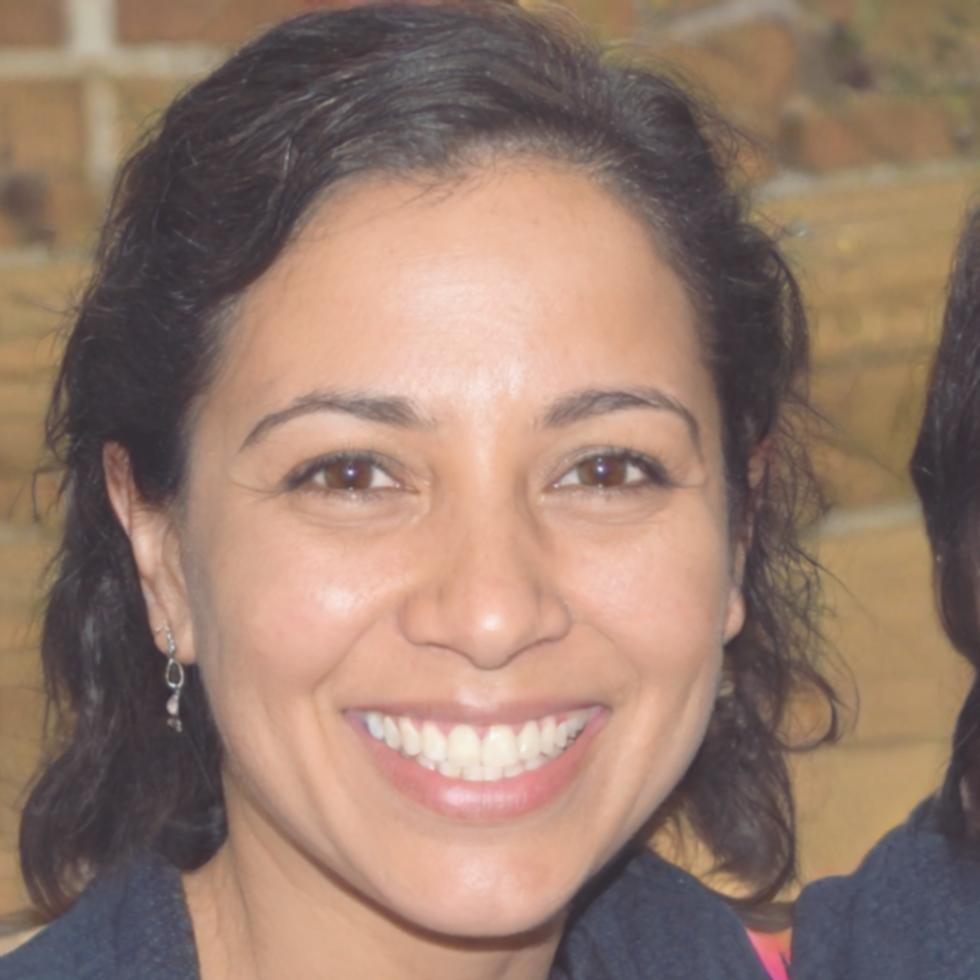
Ingrid Kovač
Business Forecasting
Runs budget planning workshops for franchisees. Specializes in service industry metrics and seasonal businesses.
Program Timeline
Applications open in June 2025. Classes start September 2025 and run through March 2026. Sessions meet twice weekly in the evening, with some Saturday workshops.
Application Period
June 1 - August 15, 2025Submit your application with a brief statement about your background and what you hope to gain from the program. We review applications on a rolling basis.
Program Orientation
September 7, 2025Meet instructors and other participants. Get your course materials and go over the schedule. We'll also cover the software tools you'll use throughout the program.
Core Modules
September - February 2026Six modules covering financial statements, market analysis, forecasting, and reporting skills. Each module includes practical assignments based on real business data.
Final Project
March 2026Complete an analysis of an Australian business or sector. Present your findings to instructors and peers. This becomes part of your portfolio.